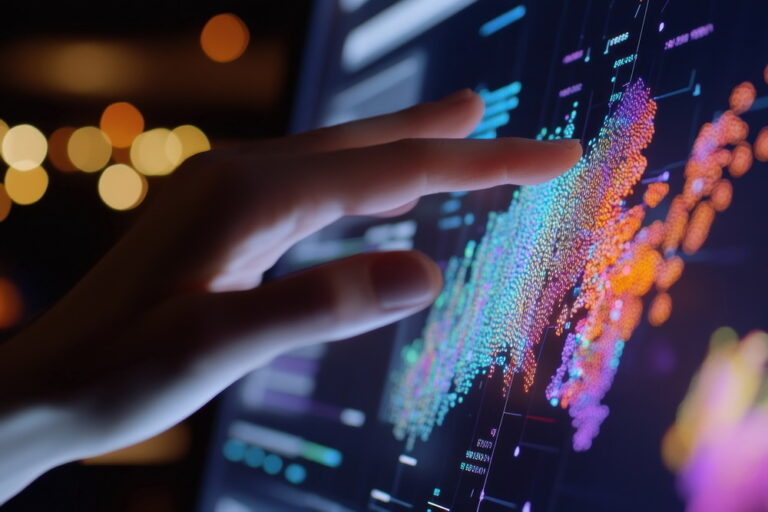
Remote monitoring crept up on us like gray hair. One day you’re checking equipment readings on clipboards. Suddenly, your entire operation relies on sensors communicating with computers far away. This situation was not intentionally designed or orchestrated by anyone. It just happened.
From Convenience to Necessity
At first, remote monitoring felt like getting a TV remote control. Nice to have. Saves you from getting off the couch. Big deal. Factory managers installed a few sensors to track temperatures. Maybe some pressure gauges. Engineers pulled up readings on their computers instead of hiking across massive facilities. Saved some shoe leather. That was about it.
But then weird things started happening. A sensor noticed a motor running three degrees hotter than usual. Maintenance checked it out. The bearings were starting to fail. Fixing them took an hour. Letting them fail would have shut down production for two days. Stories like this piled up. Small warnings prevented big disasters. Companies started paying attention.
When COVID hit, remote monitoring went from “nice to have” to “can’t live without” faster than you could say “supply chain crisis.” Technicians stuck at home could still watch their equipment. Skeleton crews managed entire plants through computer screens. Companies without remote monitoring? They were flying blind in a thunderstorm.
The Technology Behind the Transformation
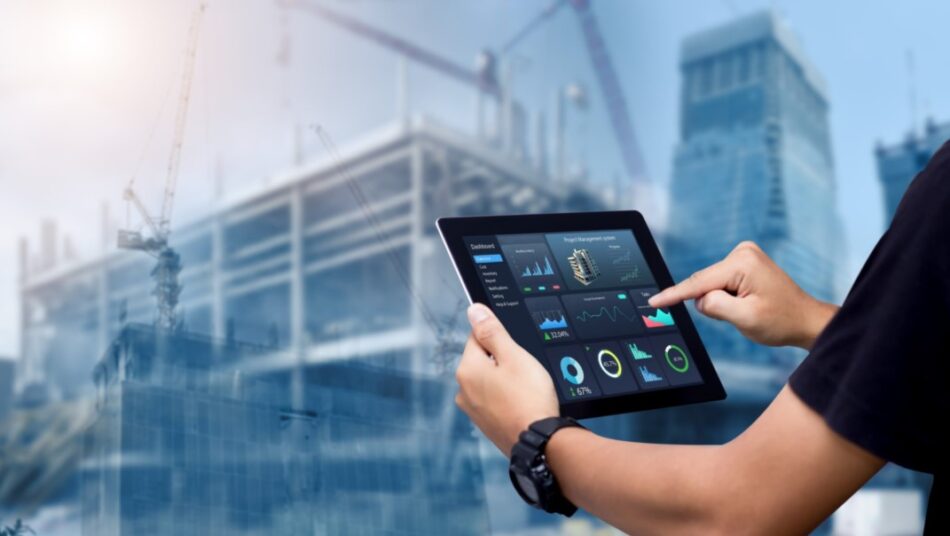
Modern sensors surpass old gauges. Tiny chips monitor everything. They measure microscopic vibrations. They detect chemical traces in parts per billion. They run for years on batteries smaller than a pack of gum. Getting data from sensors to screens used to require miles of cable. Not anymore. Wireless networks handle the heavy lifting. Wi-Fi covers indoor spaces. Cellular reaches everywhere else.
The Industrial Internet of Things (IIoT) connects all these pieces into systems that actually think for themselves, and innovators like Blues IoT have cracked the code on cellular connectivity that works in places where Wi-Fi gives up. Oil fields in Texas, corn fields in Iowa, water towers in Montana? They’re all online now.
Hidden Benefits Surface
Remote monitoring is like cleaning out your garage. You find stuff you forgot you had. Power bills shrink when systems adjust themselves based on actual conditions instead of running full blast all day. Insurance companies love businesses that can prove they’re watching things closely. They show their appreciation with lower premiums. Government inspectors smile when you hand them perfect records going back years, all generated automatically.
Worker safety took a giant leap forward, too. Nobody needs to check that steam pipe that likes to spring leaks. Sensors do it every second. Dangerous gases? Detected instantly. Equipment about to fail catastrophically? Everyone gets warned with time to clear out.
Customers notice the difference even if they don’t know why. Service calls get fixed right the first time. Products arrive on schedule because production lines rarely break anymore. Quality stays consistent because problems get caught early.
The New Normal

Try running a business without email or cell phones. Sounds crazy, right? That’s where we’re headed with remote monitoring. Manual checking by companies is as inefficient as using carrier pigeons in today’s world. The gap keeps widening. Organizations with solid monitoring systems spot trends. They fix problems proactively and adapt instantly. Everyone else reacts after things break. Guess who wins that race?
Why Remote Monitoring Became A Business Discipline
The biggest shift is not technical. It is operational. Remote monitoring used to sit with engineers, maintenance crews, or facilities teams. Now it affects finance, compliance, customer service, safety, and planning. When equipment data becomes visible in real time, every department starts making better decisions.
A warehouse manager can see when refrigeration units are drifting out of range before inventory is damaged. A city utility can detect a pump problem before residents notice low water pressure. A logistics company can track vehicle health before a truck breaks down halfway through a delivery route. The value is not only in seeing the problem. The value is in seeing it early enough to do something useful.
Better Data Changes The Way Teams Work
Remote monitoring also changes workplace habits. Teams stop relying on memory, guesswork, and after-the-fact explanations. Instead of asking, “What happened last night?” they can look at the timeline. Temperature, vibration, voltage, pressure, runtime, location, and alerts create a record that is hard to argue with.
That record helps teams move faster. Maintenance can prioritize the machine that is actually showing risk, not the one that simply feels overdue for inspection. Managers can compare sites without sending people across the country. Operators can spot recurring patterns and adjust procedures before those patterns become expensive.
This matters because many businesses still lose money in boring ways. A compressor runs too long. A freezer door stays open. A generator battery weakens quietly. A tank level drops faster than expected. None of those events looks dramatic at first. Left alone, they become downtime, waste, lost product, safety exposure, or angry customers.
The Human Side Still Matters
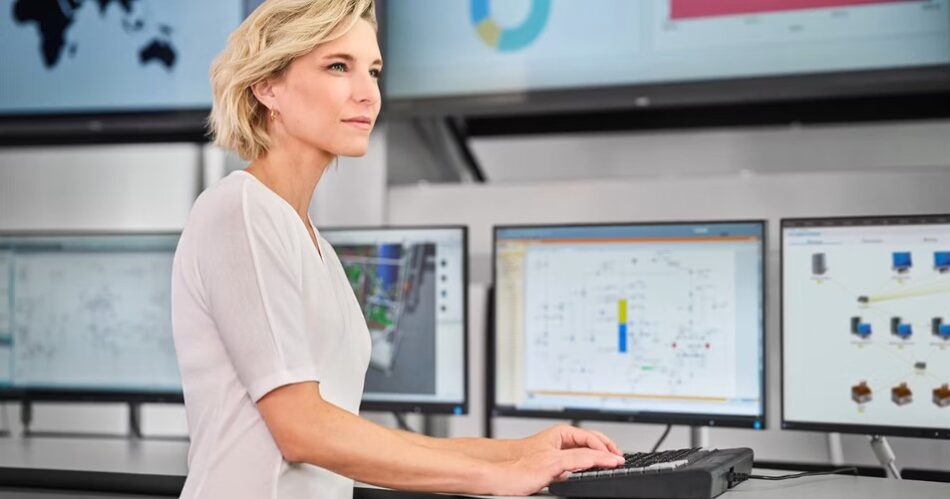
Remote monitoring does not remove people from operations. It makes their time more valuable. A skilled technician should not spend the day driving to sites just to confirm that everything looks normal. That person is far more useful investigating alerts, planning repairs, improving systems, and solving problems that actually need human judgment.
The best companies understand this balance. They do not treat monitoring as a replacement for expertise. They treat it as a way to put expertise in the right place at the right time. Sensors collect the signals. Software organizes the noise. People decide what matters.
What Comes Next
The next stage will be less about watching dashboards and more about automatic response. Systems will not only say that a motor is overheating. They will reduce load, reroute work, order the replacement part, and schedule a technician before the issue becomes visible to customers.
That is where remote monitoring becomes truly mission-critical. It stops being a reporting tool and becomes part of the operating system of the business. The companies that build around that reality will move with more control. The companies that keep treating monitoring as an optional upgrade will keep learning about problems after the damage is already done.
Conclusion
Remote monitoring didn’t announce itself with fanfare. While attention was on more exciting tech, it slipped in through the back. It is now in charge. It is making all the decisions. Savvy businesses understood the change and adjusted their strategies. The others are hurrying to catch up, rapidly deploying sensors and networks. The revolution had already happened. We just didn’t notice until it was over.