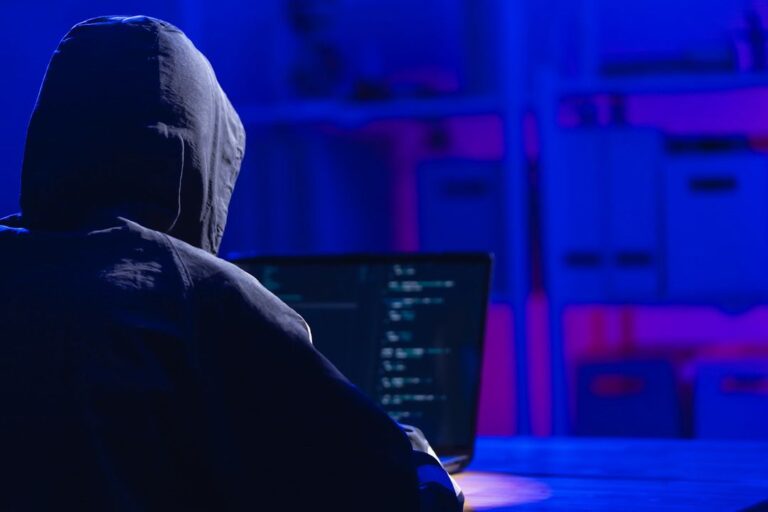
Modern home security goes well beyond deadbolt locks and sturdy windows. It needs to. As our lives have shifted toward digital technologies, the landscape of residential crime has evolved – so much so that today’s tech-savvy burglars no longer need to rely on random chance or scoping out neighborhoods. They can turn to social media instead.
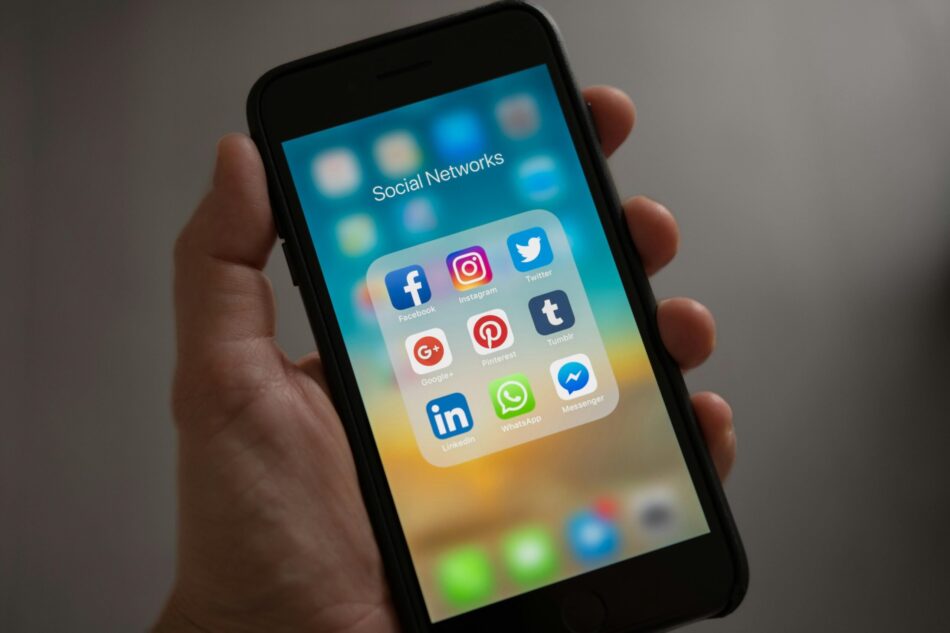
Sites like TikTok, Instagram, and Facebook are extremely attractive to burglars. They can find out what potential victims are up to just by checking their feeds.
And because so many social media users don’t know how to lock their profiles down, what they broadcast on social media reaches far and wide.
To criminals, social media is a goldmine of open-source intelligence. It tells burglars everything they need to know about their victims and the homes they occupy.
If you use social media, you need to know that burglars are watching. You also need to know how to protect yourself.
Digital Scouting Replaces Physical Casing
Where burglars used to have to physically case neighborhoods by driving through and taking notes, they can now scope out victims digitally.
Digital scouting has radically reduced the risk of being caught. It has also reduced the time burglars need to choose their victims. They can do everything from the comfort of their own homes, using an encrypted browser.
Vivint Home Security, one of the nation’s leading security providers, says burglars attempt to answer three questions when choosing their victims:
- Where does the person live?
- Does the person own anything of value?
- When is that person least likely to be home?
The interesting thing is that burglars can easily build victim profiles just by synthesizing a collection of posts over several weeks.
It turns out that people over-share without even knowing it. A savvy burglar who knows what to look for can answer the three fundamental questions fairly easily.
Tactics and Tricks: How They Do It
The first step in using social media as a way to find victims is following people on their feeds. People with open feeds will let just about anyone in.
But what about people who are more diligent? Burglars are not above creating fake profiles, then sending friend requests.
If you are careless about approving every friend request that comes your way, there is a pretty good chance that some of your so-called friends are not really friends at all.
They have hit you up with a friend request because they want to find out who you are and what you are doing. Once access to your feed is gained, burglars take advantage of the following:
1. Geo-Bragging in Real Time
The single most important data point for a burglar is your geographical location. Posting a live photo from a restaurant, checking into a resort three states away, or sharing real-time stories from the concert you are attending tells a burglar your home is probably vacant. Never allow social media to automatically check you in.
2. Digital Home Inventories
Because affirmation is so highly valued in modern culture, people have a bad habit of displaying newly purchased items online.
A homeowner might take and post pictures of his new home entertainment system. A newly engaged bride-to-be might post pictures of her engagement ring. But posting this stuff online is an open invitation to burglars.
3. The Digital Marketplace
Some social media platforms offer built-in marketplaces. Take Facebook Marketplace, for example. The danger with these platforms is that they open the door to burglars interested in knowing what is in your house.
Imagine you were looking to sell some old furniture. You are likely to take a picture of that furniture while it’s sitting in your home.
But if you’re not careful, the pictures you take could display all sorts of things that burglars would find attractive. A savvy burglar could pose as an interested buyer and convince you to provide your home address.
4. Dangerous Metadata and Geo Tags
You do not even have to directly provide your address for burglars to find it. If you use social media with your phone, be aware that every picture you take is probably encoded with metadata – including the precise GPS coordinates of where it was taken.
Some social media sites scrub this data, but others don’t. Be sure to go into your camera’s settings and turn metadata off. It is the best way to protect yourself against burglars looking at photos to find out where you live.
How You Can Use Social Media and Still Be Safe

While completely abandoning social media is the best and surest way to keep burglars from using it against you, doing so isn’t practical for most people. So the question then becomes, “How do I protect myself?” It starts with a simple mindset change.
Modern digital technology is designed to make our lives more convenient. But convenience comes at a price. Every new tool that increases convenience adds another potential security flaw. But you can change your mindset. Instead of focusing on convenience, strive for intentional online privacy. Here are a few suggestions:
- Level Up Privacy Settings – Every social media platform has privacy settings. Log into your account, go to the settings page, and level up privacy and security until your profile is as secure as possible.
- Audit Friend Lists – Not everyone on your friend list actually knows you. So audit your list, removing any people you do not know personally.
- Time Your Posts – Time posts so that you are not giving away your location. For example, leave those vacation pics until after you return home. They don’t need to be posted in real time.
- Obscure Landmarks – When you take any pictures you plan to post online, go the extra mile to obscure landmarks. Don’t give burglars any advanced knowledge of where you live or where you might be.
Burglars use social media to find victims. Do not be the next one they find while scrolling through feeds. Instead, be intentional about your privacy and security. Lock down your accounts and don’t needlessly broadcast information burglars would find helpful.