

Sports betting has become increasingly mobile, which makes app performance a key part of the overall user experience. In Serbia, 56.27% of sports bettors surveyed said they primarily use the internet or mobile apps for betting, showing how important reliable mobile access has become.
The challenge for operators is simple: users expect odds, markets and live updates to appear quickly, while a slow or unstable app can interrupt the experience. For sports betting apps, strong performance now depends on speed, stability and how well the app handles busy periods.
Speed Has Become a Core Performance Metric
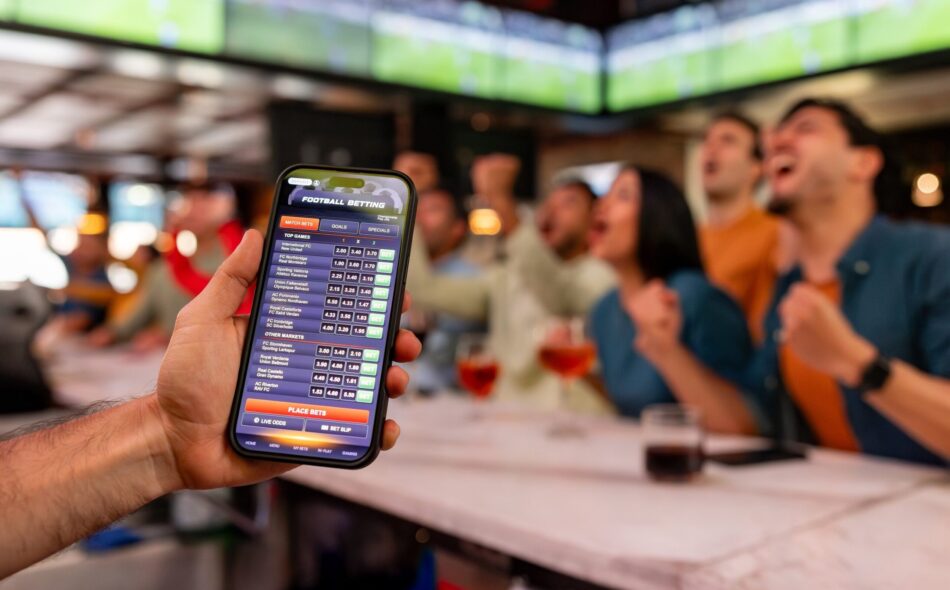
A sport betting app can offer extensive market coverage, but users still need to access those markets quickly. This becomes particularly important during live events, when odds and match information can change within seconds.
Mobile users have increasingly high expectations for app performance. Research from Luciq found that 81% of respondents consider app performance very important or extremely important when choosing an app. The same research found that 61% of users will not wait more than five seconds for an app to launch or complete an important function.
For sports betting platforms, this puts pressure on several technical areas. Login screens need to load efficiently. Event pages should respond quickly. Odds should refresh without creating unnecessary delays.
A platform such as Betway therefore needs its mobile experience to remain responsive when large numbers of users are checking the same major sporting event. A smooth experience can make it easier for users to follow markets and manage their activity without unnecessary interruptions.
What Defines a High-Performance Betting App?
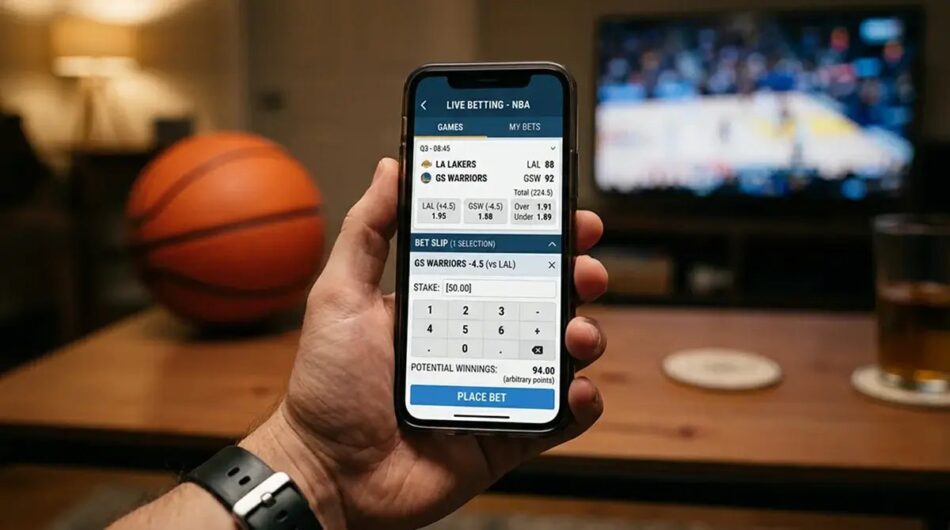
Performance covers much more than download speed. A well-built sports betting app needs to remain consistent throughout a user’s session.
Several factors have a direct effect on how the app feels:
- Fast navigation: Users should be able to move between sports, competitions and individual events with minimal waiting.
- Stable live updates: Odds and event information need to refresh reliably during active matches.
- Efficient design: Important information should remain easy to find on smaller screens.
- Reliable account functions: Login, verification and payment-related screens should work consistently.
- Device compatibility: The app should perform well across a wide range of smartphones and operating systems.
These elements also influence how users perceive the wider brand. Luciq’s 2025 research found that 74% of mobile users say poor app performance affects their perception of the brand, while 79% say outstanding performance has a positive effect on brand perception.
That makes technical performance a brand consideration as much as a development consideration.
Why Mobile App Testing Matters

Mobile app testing plays a major role in maintaining this level of performance. Sports betting apps operate across different devices, operating system versions and network conditions. Testing helps development teams identify issues before they affect the wider user base.
Testing should cover both everyday use and periods of high activity. A useful testing process can examine:
- App launch speed and navigation
- Live odds refresh rates
- Login and account stability
- Different screen sizes and device specifications
- Performance on slower mobile connections
- Behaviour during high-traffic sporting events
Load testing is particularly useful for sports betting platforms. A major football match can produce a sudden increase in traffic, so an app needs to maintain stable performance when demand rises sharply.
Betway provides a useful example of why this matters. Users may access the platform during major fixtures when thousands of people are simultaneously checking markets and live information. Consistent performance during these periods can have a direct effect on the quality of the mobile experience.
Live Betting Requires Responsive Technology

Live sports betting places even greater demands on mobile applications. Users may follow an event while checking updated odds, statistics or market changes. Every part of that process needs to work together.
The technical challenge is maintaining a fast flow of information without making the interface difficult to use.
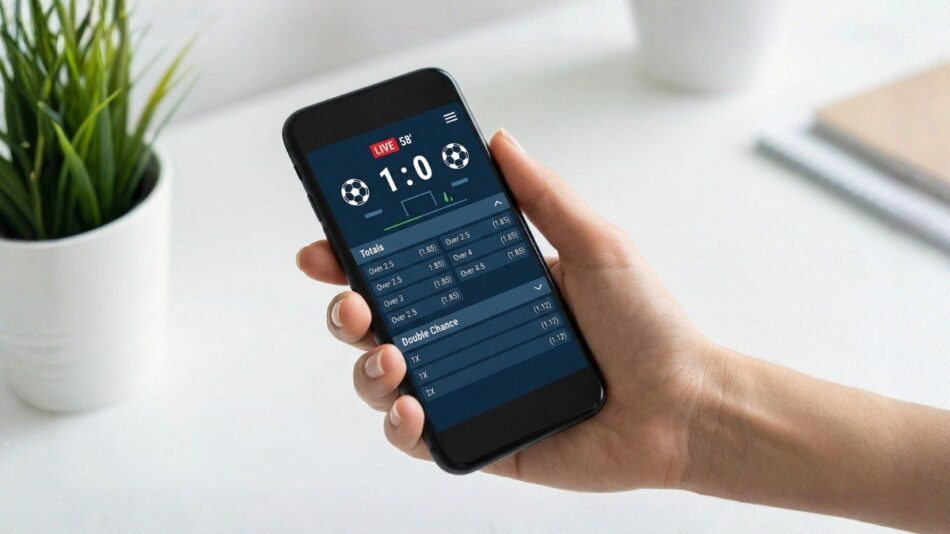
Good live-betting interfaces tend to prioritise relevant information. A football match page, for example, may place the current score and key markets near the top of the screen. Less frequently used information can sit further down the page.
This approach reduces unnecessary navigation. It also helps the app remain useful when users are following a match in real time.
Regular Updates Keep Performance Consistent
A betting app is never truly finished. Operating systems change, new devices reach the market and user expectations continue to grow. Regular updates help an app stay reliable over time:
- Bug fixes resolve issues reported after earlier releases.
- Compatibility updates keep the app working smoothly on new operating system versions.
- Interface improvements make frequently used features easier to reach.
- Security patches help protect accounts and personal information.
Responsible Play Features Need the Same Reliability
Performance also matters for the tools that help users stay in control. These features should be as easy to access and as dependable as live markets:
- Deposit limits that apply as soon as they are set.
- Session reminders that show how long a user has been active.
- Time-out options that take effect immediately.
- Clear account history for reviewing recent activity at any time.
Measuring App Performance Beyond Downloads
Downloads provide useful information about an app’s reach, but they offer only part of the performance picture. Developers and operators need to examine what happens after installation.
Useful metrics include:
- Session duration and frequency
- Crash and error rates
- App launch times
- Successful login rates
- Retention after installation
- Response times for important features
These measurements can reveal where an app performs well and where improvements may be needed. They also make it easier to identify changes after a new version is released.
The wider sports app market shows how closely performance and user engagement are connected. Sensor Tower’s 2025 data for Serbia found changing download patterns across leading sports apps, highlighting how quickly engagement can shift within the mobile category.
For platforms such as Betway, ongoing measurement provides a practical way to maintain consistency as the app evolves.